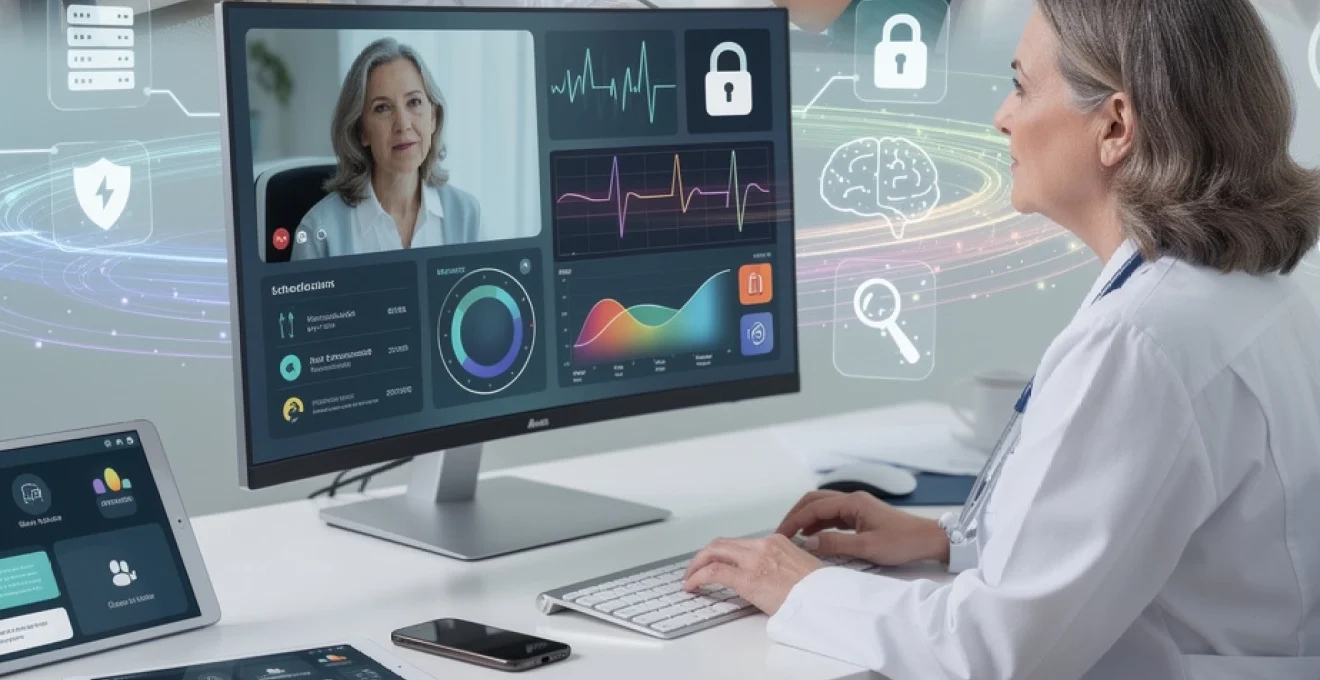
The healthcare landscape has undergone a remarkable transformation over the past decade, with telemedicine emerging as one of the most significant advances in medical care delivery. This digital revolution has fundamentally changed how patients access healthcare services, allowing medical consultations, diagnoses, and treatments to occur remotely through sophisticated technological platforms. The integration of telecommunications technology with medical expertise has created unprecedented opportunities for healthcare accessibility, particularly benefiting underserved populations and those facing geographical barriers to traditional medical care.
Remote healthcare solutions have evolved from simple phone consultations to comprehensive digital health ecosystems that encompass everything from AI-powered diagnostic tools to real-time patient monitoring systems. The COVID-19 pandemic accelerated this transformation, with telemedicine usage increasing by an astounding 1,300% between 2019 and 2022. Today’s telemedicine platforms offer sophisticated features that rival in-person consultations, including high-definition video conferencing, secure data transmission, and seamless integration with electronic health records.
Core telemedicine technologies and digital infrastructure
The foundation of effective telemedicine rests upon robust technological infrastructure that ensures seamless communication between healthcare providers and patients. Modern telemedicine platforms integrate multiple sophisticated technologies to create comprehensive healthcare delivery systems that maintain the quality and security standards expected in traditional medical settings.
Digital infrastructure requirements for telemedicine extend beyond basic internet connectivity. Healthcare organisations must invest in enterprise-grade networking solutions, cloud-based storage systems, and redundant communication channels to ensure uninterrupted service delivery. The underlying architecture typically includes load balancers, content delivery networks, and distributed server systems that can handle peak usage periods without compromising performance or security.
Hipaa-compliant video conferencing platforms: zoom for healthcare and doxy.me
Video conferencing technology serves as the cornerstone of synchronous telemedicine consultations, enabling real-time visual and audio communication between patients and healthcare providers. HIPAA compliance represents a non-negotiable requirement for any video conferencing platform used in healthcare settings, ensuring patient data protection and privacy throughout virtual consultations.
Zoom for Healthcare has established itself as a leading platform by incorporating advanced encryption protocols, secure data centres, and comprehensive audit trails. The platform features waiting rooms for patient privacy, breakout rooms for multi-provider consultations, and integration capabilities with major electronic health record systems. Healthcare providers particularly value Zoom’s ability to accommodate multiple participants during consultations, facilitating collaborative care approaches.
Doxy.me offers a browser-based solution that eliminates the need for software downloads, reducing technical barriers for patients. The platform’s simplicity doesn’t compromise security, maintaining end-to-end encryption and providing customisable virtual waiting rooms. Healthcare providers appreciate Doxy.me’s cost-effective pricing structure and its ability to integrate seamlessly with existing practice management systems.
Remote patient monitoring devices: RPM integration with philips HealthSuite
Remote patient monitoring (RPM) technology represents a paradigm shift from reactive to proactive healthcare management. These sophisticated devices continuously collect vital signs, biometric data, and health metrics, transmitting information securely to healthcare providers for analysis and intervention when necessary.
Philips HealthSuite Digital Platform exemplifies the evolution of RPM integration, offering a comprehensive ecosystem that connects medical devices, applications, and healthcare professionals. The platform supports various monitoring devices including blood pressure cuffs, glucometers, pulse oximeters, and weight scales, all designed to transmit data automatically to clinical dashboards.
The integration capabilities of modern RPM systems extend beyond simple data collection. Advanced algorithms analyse patient data patterns, identify potential health deterioration, and alert healthcare providers to intervene proactively. This predictive healthcare approach has demonstrated significant improvements in patient outcomes, particularly for chronic disease management where early intervention can prevent hospitalisation.
Electronic health records synchronisation: epic MyChart and cerner PowerChart
Electronic Health Records (EHR) integration represents a critical component of comprehensive telemedicine solutions, ensuring continuity of care and providing healthcare providers with complete patient medical histories during virtual consultations. The synchronisation between telemedicine platforms and EHR systems eliminates information silos and reduces the risk of medical errors.
Epic MyChart has revolutionised patient engagement by providing secure access to medical records, test
results, and appointment summaries through a user-friendly portal. When integrated with telemedicine platforms, MyChart allows patients to join video visits directly from their record, review care plans immediately after a consultation, and message their care team with follow-up questions. For clinicians, real-time synchronisation ensures that medications, allergies, lab results, and prior diagnoses are visible during remote healthcare consultations, reducing duplication of tests and improving clinical decision-making.
Cerner PowerChart provides similar capabilities within its own ecosystem, focusing on comprehensive clinical documentation and interoperability. Telemedicine sessions can be documented directly into the patient’s longitudinal record, ensuring that virtual and in-person encounters are captured in a single source of truth. Integration with decision support tools helps clinicians flag potential drug interactions or gaps in care, even when the encounter occurs remotely. By synchronising telemedicine platforms with EHR systems like Epic MyChart and Cerner PowerChart, healthcare organisations create a seamless digital workflow that supports continuity of care, regulatory compliance, and data-driven quality improvement initiatives.
Secure messaging systems: TigerConnect and spok mobile
Secure messaging solutions form a critical layer of telemedicine infrastructure, enabling rapid, compliant communication between clinicians, patients, and care teams. Unlike consumer messaging apps, healthcare-grade platforms must support encryption, access controls, and detailed audit logs to protect sensitive health information. You can think of secure messaging as the digital equivalent of hallway conversations and paper notes, but with far stronger safeguards and far better traceability.
TigerConnect is widely adopted in hospitals and health systems for its ability to support real-time, HIPAA-compliant messaging across multidisciplinary teams. Clinicians can share clinical images, lab results, and care instructions, while role-based routing ensures that messages reach the right provider, such as the on-call cardiologist or triage nurse. When integrated with telemedicine workflows, TigerConnect can trigger alerts based on RPM data, coordinate virtual handoffs between providers, and support quick clarification during a video visit without interrupting the patient.
Spok Mobile offers similar secure messaging capabilities with a strong focus on clinical alerting and paging replacement. Its integration with hospital call centres, nurse call systems, and EHRs allows critical alerts—such as abnormal vital signs from remote monitoring devices—to be delivered to the appropriate clinician’s mobile device. For telemedicine programmes, this means remote care teams can respond quickly to clinical deterioration, escalate concerns, and document their actions. Together, tools like TigerConnect and Spok Mobile transform fragmented communication into coordinated digital conversations that support safe, efficient remote healthcare solutions.
Clinical applications across medical specialties
Telemedicine is no longer limited to basic follow-up visits or low-acuity concerns; it now spans a wide range of medical specialties and subspecialties. From behavioural health to cardiology and dermatology, specialists are using remote healthcare technologies to deliver targeted, high-quality care. As you explore telemedicine options, it helps to see how different specialties are applying the same core tools—video, secure messaging, RPM, and EHR integration—to solve very different clinical problems.
These clinical applications share a common goal: to bring expertise closer to patients, rather than forcing patients to travel long distances to access specialist care. For rural communities, older adults, and people with mobility challenges, this shift can be life-changing. At the same time, specialty telemedicine poses unique challenges around diagnostics, licensing, and reimbursement that healthcare organisations must carefully navigate.
Telepsychiatry platforms: BetterHelp professional and talkspace for business
Telepsychiatry has emerged as one of the most mature and impactful use cases for telemedicine, particularly in response to rising mental health needs and a shortage of psychiatrists in many regions. Video-based therapy and counselling blend naturally with the conversational nature of mental health care, and many patients report feeling more comfortable sharing from their own homes. For organisations, telepsychiatry can extend services across state lines or into underserved communities without the need to build physical clinics.
BetterHelp Professional offers a scalable platform that connects licensed mental health providers with clients via secure video, audio, and messaging. For clinicians, digital intake forms, symptom questionnaires, and progress tracking tools help structure care plans and monitor outcomes over time. The platform’s asynchronous messaging features enable ongoing support between live sessions, which is especially valuable for patients managing anxiety, depression, or chronic stress.
Talkspace for Business focuses on employer-sponsored and health plan-integrated mental health services, providing employees with access to therapists and psychiatrists through secure apps. This model supports population-level mental health strategies, such as offering therapy as a benefit to reduce absenteeism and burnout. For telemedicine programmes more broadly, telepsychiatry illustrates how digital tools can be woven into everyday life, making care available on lunch breaks, after hours, or during travel.
Remote dermatology consultations: DermEngine AI-powered diagnostics
Dermatology is highly visual by nature, making it well suited to telemedicine and store-and-forward workflows. Instead of waiting months for an in-person appointment, patients can capture high-resolution images of skin lesions, rashes, or moles and submit them through a secure portal. Dermatologists then review these images, provide a diagnosis or differential, and recommend next steps, which may include treatment, monitoring, or an in-person biopsy.
DermEngine exemplifies how AI-powered diagnostics can enhance remote dermatology consultations. The platform uses machine learning algorithms to analyse uploaded images, compare them against large datasets, and highlight lesions that may require urgent attention. While AI does not replace the dermatologist’s expertise, it acts as a second set of eyes, helping prioritise cases and standardise assessments. This is particularly useful when managing high volumes of teledermatology referrals from primary care or screening programmes.
From the patient’s perspective, DermEngine’s integration with mobile apps and telemedicine portals simplifies the process: you take a photo, answer structured questions, and receive expert feedback without leaving home. For healthcare systems, AI-enhanced teledermatology can reduce unnecessary in-person referrals, shorten wait times, and improve early detection of conditions such as melanoma. It’s similar to having a digital triage assistant that helps route each case to the right level of care at the right time.
Telecardiology monitoring: AliveCor KardiaMobile ECG devices
Cardiology has embraced telemedicine through the use of remote ECG devices, virtual consultations, and integrated RPM dashboards. Conditions like atrial fibrillation, heart failure, and hypertension often require frequent monitoring rather than one-off visits, making them ideal for remote healthcare solutions. Telecardiology not only reduces travel burdens but also allows cardiologists to intervene earlier when subtle changes in heart rhythm or fluid status appear.
AliveCor’s KardiaMobile devices are pocket-sized ECG recorders that pair with smartphones to capture medical-grade tracings in as little as 30 seconds. Patients can record an ECG whenever they feel palpitations or other symptoms and share the data with their cardiologist via secure apps or integrated telemedicine platforms. AI algorithms assist by flagging possible atrial fibrillation or other abnormalities, helping patients recognise when they should seek care.
For providers, aggregating KardiaMobile data within a telecardiology dashboard creates a continuous view of cardiac health rather than a few snapshots taken in clinic. This is akin to replacing a single photograph with a time-lapse video, revealing patterns and triggers that would otherwise remain hidden. The result is more personalised care plans, better arrhythmia detection, and fewer unnecessary emergency department visits.
Chronic disease management: teladoc’s diabetes and hypertension programmes
Chronic disease management is one of the most powerful applications of telemedicine, given that conditions like diabetes, hypertension, and COPD demand ongoing monitoring and behaviour change. Instead of relying solely on periodic office visits, telemedicine enables continuous engagement through RPM devices, coaching, and digital education. This sustained support can significantly improve adherence and outcomes.
Teladoc’s chronic disease programmes combine connected devices—such as blood glucose meters and blood pressure monitors—with virtual visits and personalised coaching. Data flows automatically into a cloud platform where care teams can track trends, set alerts, and adjust treatment plans in near real time. Patients receive feedback on their readings, tailored tips on diet and activity, and prompts to follow up when values drift out of range.
By integrating telemedicine with evidence-based care pathways, Teladoc and similar services help reduce hospitalisations, emergency visits, and complications. For patients, it can feel like having a virtual care team in your pocket, checking in between appointments and celebrating small wins. For health systems, these programmes illustrate how remote healthcare solutions can scale chronic care management across large populations while remaining personalised and efficient.
Regulatory compliance and healthcare standards
Behind every telemedicine encounter lies a complex framework of regulations and standards designed to protect patients and ensure safe, high-quality care. Healthcare organisations must navigate requirements related to privacy, security, licensing, reimbursement, and clinical quality—often across multiple jurisdictions. Failing to comply can lead not only to fines and legal exposure but also to loss of patient trust, which is foundational for any remote healthcare model.
In the United States, HIPAA remains the cornerstone of privacy and security for telemedicine, requiring safeguards such as encryption, access controls, and business associate agreements with technology vendors. On the information security side, many organisations align with ISO/IEC 27001 to build robust information security management systems that cover telehealth platforms, cloud environments, and connected devices. Internationally, standards such as ISO 13131 provide guidance for quality planning in telehealth services, helping providers formalise risk management, service levels, and clinical workflows.
Licensing and reimbursement add another layer of complexity. Clinicians often need to be licensed in the state or country where the patient is located, and rules regarding cross-border telemedicine vary widely. During the COVID-19 pandemic, many regions introduced temporary waivers and expanded telehealth billing codes; some of these measures have since been made permanent, while others are being revised. As a result, organisations planning telemedicine expansion must actively monitor regulatory changes, engage legal counsel, and design flexible programmes that can adapt to evolving rules.
Implementation strategies for healthcare providers
Implementing telemedicine is not simply a matter of turning on a video platform; it requires strategic planning, change management, and continuous evaluation. Successful programmes start with a clear vision: which patient populations will benefit most, which clinical services will be offered remotely, and how telemedicine will integrate with existing in-person care. Without this clarity, it’s easy for telehealth initiatives to become fragmented pilot projects that never reach full potential.
Operational planning typically includes selecting HIPAA-compliant telemedicine technologies, integrating them with EHRs, and defining clinical workflows for scheduling, documentation, and follow-up. Training is equally important: clinicians, front-desk staff, and patients all need guidance on how to use platforms, troubleshoot common issues, and maintain privacy. Some organisations create “telehealth champions” within departments to mentor colleagues and identify improvement opportunities.
From a financial and quality perspective, it helps to establish clear metrics from the outset. These might include no-show rates, patient satisfaction scores, clinical outcomes for specific conditions, and reductions in emergency visits or readmissions. By treating telemedicine like any other service line—with defined goals, governance structures, and feedback loops—healthcare providers can move beyond experimentation and build sustainable remote healthcare solutions that deliver measurable value.
Patient access barriers and digital health equity
While telemedicine promises to bring care closer to everyone, not all patients can access remote services equally. Digital divides—driven by broadband gaps, device availability, digital literacy, language, and disability—can inadvertently widen health disparities if they are not addressed proactively. For instance, older adults or rural residents may struggle with video visits even though they stand to benefit greatly from avoiding long travel distances.
Healthcare organisations must therefore view digital health equity as a core design principle, not an afterthought. This can involve offering multiple telemedicine modalities, such as telephone visits for those without reliable internet or accessible platforms that support screen readers and captioning. Some health systems partner with community organisations to create “telehealth hubs” in local libraries or clinics, providing private rooms, devices, and support staff to help patients connect.
Education and support play a key role as well. Simple, multilingual instructions, test-call options, and patient navigators can dramatically improve comfort with telemedicine, especially for first-time users. Asking yourself, “Would a patient with no technical background be able to complete this visit?” can uncover friction points that might otherwise go unnoticed. By intentionally designing for inclusion, telemedicine can become a tool to reduce, rather than reinforce, existing health inequities.
Emerging technologies: AI-driven remote diagnostics and 5G connectivity
The next wave of telemedicine innovation is being propelled by artificial intelligence and next-generation connectivity. AI-driven remote diagnostics are already assisting clinicians by analysing medical images, ECG traces, respiratory sounds, and symptom descriptions to flag potential issues. These tools act like highly trained digital assistants, sifting through large volumes of data and highlighting what matters most, so clinicians can focus their expertise where it has the greatest impact.
For example, AI algorithms can scan dermatology images for suspicious lesions, evaluate home spirometry data for early signs of COPD exacerbation, or interpret heart rhythm patterns from wearable ECG devices. When integrated into telemedicine platforms, these capabilities can support earlier detection, more targeted triage, and personalised care plans. It’s important to note, however, that trustworthy AI requires rigorous validation, transparency, and oversight to avoid bias and ensure safe clinical use.
At the same time, 5G connectivity is reshaping what is technically possible in remote healthcare solutions. With much higher bandwidth and lower latency than previous networks, 5G enables ultra-high-definition video, real-time streaming of complex biometric data, and even remote assistance for certain procedures. Imagine a specialist guiding a rural clinician through a complex intervention with near-zero lag, or a mobile clinic streaming continuous diagnostics from a moving vehicle. As 5G infrastructure expands, these scenarios will move from pilot projects to mainstream practice.
As exciting as these emerging technologies are, they also raise important questions. How do we protect patient privacy when data streams become richer and more continuous? How do we ensure that AI models are fair, explainable, and aligned with clinical guidelines? By addressing these issues proactively, healthcare providers and technology partners can harness AI and 5G not just for novelty, but to build safer, more effective, and more equitable telemedicine systems for the long term.