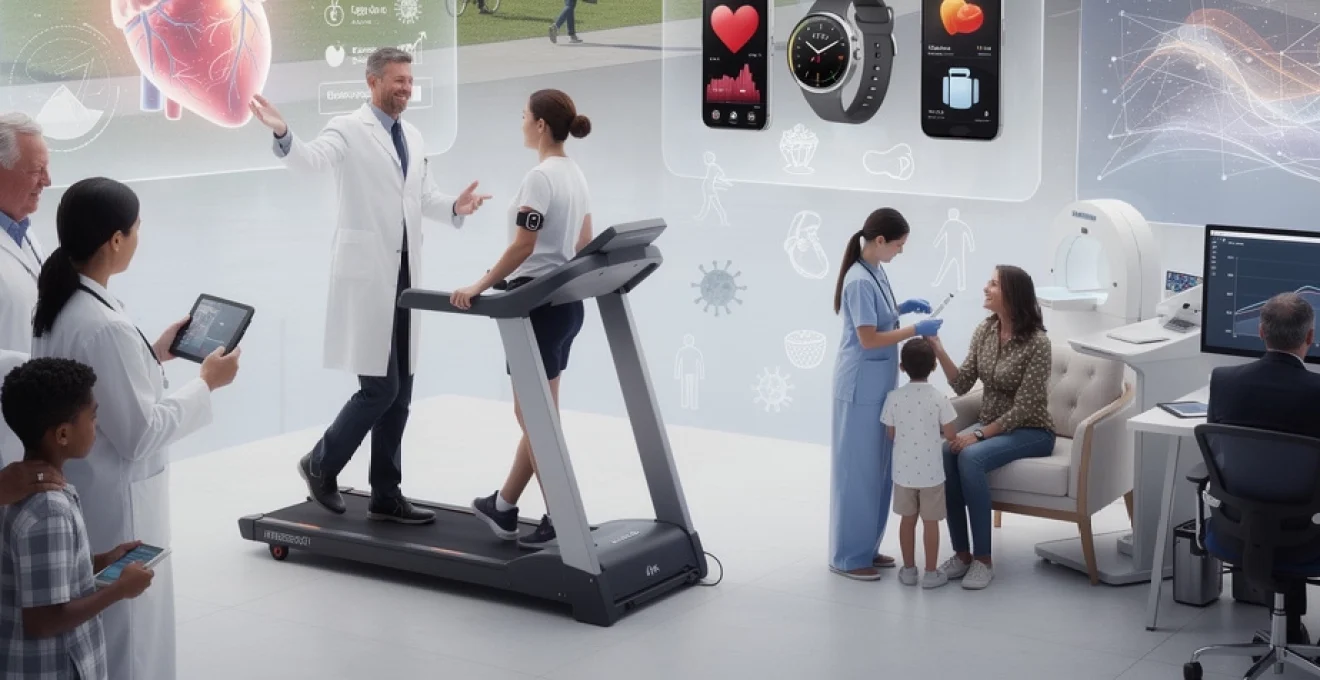
The global healthcare landscape stands at a critical juncture. With chronic diseases accounting for approximately 71% of all deaths worldwide and healthcare expenditure consuming an ever-growing share of GDP—ranging from 9% to nearly 17% across developed nations—the traditional reactive model of medicine is proving unsustainable. Prevention has emerged not merely as a desirable option but as an essential imperative for modern healthcare systems. The shift from treating illness to preventing it represents one of the most significant transformations in medical practice since the discovery of antibiotics, fundamentally altering how healthcare professionals approach patient care and how individuals engage with their own wellbeing.
Epidemiological shifts: how preventive medicine reduces Population-Level disease burden
The epidemiological transition from infectious to chronic diseases has fundamentally altered the disease burden facing modern populations. Preventive medicine offers a strategic response to this shift, targeting the underlying risk factors that drive population-level morbidity and mortality. By intervening before disease manifests clinically, preventive strategies can dramatically reduce the incidence of conditions that currently overwhelm healthcare systems and diminish quality of life for millions.
Cardiovascular disease prevention through risk factor modification
Cardiovascular disease remains the leading cause of death globally, claiming approximately 17.9 million lives annually. However, research demonstrates that up to 80% of premature cardiovascular events are preventable through modification of established risk factors. The impact of preventive interventions in this domain is remarkable—population-wide reductions in smoking prevalence, improved dietary patterns, and increased physical activity have contributed to a 50-60% decline in age-standardised cardiovascular mortality rates across many developed nations since the 1970s.
Blood pressure control exemplifies the power of preventive approaches. A mere 5 mmHg reduction in systolic blood pressure across a population translates to a 10% reduction in stroke mortality and a 7% reduction in coronary heart disease deaths. When you consider that hypertension affects approximately 1.28 billion adults worldwide, the potential population-level impact becomes staggering. Primary prevention through lifestyle modification—including sodium reduction, increased potassium intake, regular physical activity, and moderation of alcohol consumption—can prevent hypertension from developing in the first place, whilst secondary prevention through early detection and treatment prevents progression to end-organ damage.
Type 2 diabetes prevention via lifestyle intervention programmes
Type 2 diabetes represents one of the most pressing public health challenges of the 21st century, with global prevalence having nearly quadrupled since 1980 to affect approximately 537 million adults. The disease trajectory, however, is not inevitable. The landmark Diabetes Prevention Programme demonstrated that intensive lifestyle intervention reduced diabetes incidence by 58% compared to placebo, with even greater reductions (71%) amongst participants aged 60 and older. These findings have been replicated across diverse populations and healthcare settings, establishing lifestyle intervention as an evidence-based cornerstone of diabetes prevention.
The economic implications are equally compelling. Preventing or delaying diabetes onset by just three years can reduce lifetime healthcare costs by approximately £5,000 per individual, whilst improving quality-adjusted life years. When scaled across populations with prediabetes—estimated at 374 million globally—the potential health and economic benefits are transformative. Structured prevention programmes that combine dietary modification, physical activity goals, and behavioural support have demonstrated sustainability, with maintained benefits observed up to 10-15 years post-intervention.
Cancer screening protocols: mammography, colonoscopy, and early detection outcomes
Cancer screening represents tertiary prevention at its most impactful, detecting malignancies at stages when treatment is most effective and often curative. Mammography screening for breast cancer has reduced mortality by approximately 20-30% amongst screened populations, with even greater benefits when coupled with advances in treatment. Similarly, colorectal cancer screening through colonoscopy or faecal immunochemical testing can reduce cancer-specific mortality by 30-50%, whilst also preventing cancer development through identification and removal of precancerous polyps.
The effectiveness of screening programmes depends critically on achieving adequate population coverage and ensuring equitable access. Countries with organised, population-based screening programmes consistently demonstrate superior outcomes compared to opportunistic screening models. However, screening is not without considerations—false
-positive results, overdiagnosis, and screening-related complications must be weighed against benefits through rigorous cost-effectiveness analyses and shared decision-making. In modern healthcare, prevention does not mean indiscriminate testing; instead, it involves carefully calibrated screening protocols guided by age, risk profile, and evidence-based guidelines. When implemented thoughtfully, cancer screening illustrates how preventive healthcare can shift outcomes from late-stage, resource-intensive treatment to early, often less invasive interventions that preserve both life expectancy and quality of life.
Vaccination programmes and communicable disease eradication models
Vaccination programmes are among the most powerful preventive tools in modern healthcare, having averted an estimated 4–5 million deaths per year globally. From smallpox eradication in 1980 to the near-elimination of polio in most regions, vaccines demonstrate how targeted, population-level interventions can transform the epidemiology of infectious disease. Herd immunity acts as a protective barrier, reducing transmission even among those who cannot be vaccinated due to medical contraindications, and thereby amplifying the population impact of individual immunisation decisions.
The economics of vaccination are equally compelling. For many routine childhood vaccines, every £1 spent generates an estimated £16–£44 in broader societal benefits, including reduced healthcare costs, productivity gains, and averted caregiving burdens. Models used by global health agencies show that high coverage of measles, HPV, and pneumococcal vaccines can prevent millions of hospitalisations and long-term complications, such as infertility, neurological damage, and chronic respiratory disease. In this way, vaccination programmes do not simply prevent acute illness; they protect against future chronic disease burden as well.
However, sustaining and expanding vaccination coverage requires overcoming vaccine hesitancy, misinformation, and access barriers. Digital reminders, community engagement, and transparent communication about risks and benefits can support informed consent and maintain public trust. As emerging infectious threats such as COVID-19 demonstrate, robust vaccination infrastructure enables rapid deployment of new vaccines, acting as a frontline defence against pandemics. In an interconnected world, prevention through vaccination is both a personal health choice and a collective responsibility.
Healthcare economics: cost-benefit analysis of preventive interventions
Modern healthcare systems face mounting financial pressures, driven by ageing populations, advanced therapies, and rising expectations of care. Against this backdrop, preventive healthcare is increasingly evaluated not only on clinical outcomes but also on cost-effectiveness and return on investment. The central question is clear: does spending more on prevention today reduce the need for expensive, acute interventions tomorrow? Growing evidence suggests that, when targeted appropriately, preventive interventions can yield substantial economic as well as health dividends.
Cost-benefit analysis in preventive medicine often considers direct medical savings, productivity gains, and improvements in quality-adjusted life years. For example, preventing a single myocardial infarction avoids not only the immediate costs of emergency care and hospitalisation but also long-term rehabilitation, medication, and potential loss of income. At a system level, shifting even a modest proportion of expenditure from late-stage treatment to early prevention can flatten the trajectory of healthcare spending while enhancing population health. Yet realising these gains requires strategic prioritisation, robust data, and long-term political commitment.
Return on investment for preventive care versus acute treatment expenditure
Comparing preventive care with acute treatment is somewhat like comparing routine car maintenance with the cost of replacing an engine—both involve expenditure, but the timing and scale differ dramatically. Numerous economic evaluations show that many preventive interventions, particularly those targeting high-risk groups, offer favourable returns on investment. For instance, hypertension control, smoking cessation support, and lipid management have been shown to reduce the incidence of costly cardiovascular events, often paying for themselves within a few years.
However, not all preventive measures save money outright; some are cost-effective without being cost-saving. This means they improve health at a reasonable cost per quality-adjusted life year, similar to other accepted treatments. Vaccination programmes, colorectal cancer screening, and diabetes prevention interventions fall into this category in many settings. The critical point for policymakers is that investment in prevention should be judged using the same value-based metrics as therapeutic interventions, rather than being held to an unrealistic standard of always reducing total expenditure.
From a practical perspective, organisations that invest in preventive care often see tangible benefits in reduced emergency admissions, shorter hospital stays, and lower demand for high-cost procedures. For example, integrated care models that combine proactive case management, lifestyle support, and early intervention can significantly reduce unplanned hospitalisations among people with chronic diseases. As payers and providers move toward value-based care models, the financial rationale for prevention becomes even stronger.
NHS Long-Term plan: prevention-first strategies and budget allocation
The NHS Long-Term Plan explicitly positions prevention as a cornerstone of sustainable healthcare in England. Recognising that treating avoidable illness places immense strain on hospitals, the plan outlines a shift toward community-based services, earlier diagnosis, and support for healthier lifestyles. Priority areas include tobacco control, obesity reduction, cardiovascular disease prevention, and enhanced immunisation coverage, all designed to reduce avoidable morbidity and mortality over the coming decade.
Budget allocation reflects this prevention-first orientation, with increased investment in primary care networks, social prescribing, and digital tools that support self-management. For instance, expanded NHS Health Checks aim to identify people at high risk of heart disease, stroke, or diabetes earlier, enabling timely interventions such as statin treatment or weight management programmes. By intervening before crisis points, the NHS seeks to free up acute care capacity and improve patient experience.
Yet implementation is not without challenges. Short-term financial pressures can make it difficult to divert resources from hospital care to prevention, especially when benefits may not be fully realised within a single budget cycle. Workforce capacity, data sharing, and variation in local infrastructure also influence how quickly prevention-first strategies translate into measurable outcomes. Nonetheless, the NHS Long-Term Plan signals a clear policy direction: prevention is not an optional add-on but a strategic imperative for system resilience.
Pharmaceutical prevention: statins, antiplatelet therapy, and cost-effectiveness ratios
Pharmaceutical prevention—using medications to reduce the risk of future disease events—plays a central role in modern preventive cardiology and beyond. Statins, for example, lower low-density lipoprotein (LDL) cholesterol and have been shown to reduce the risk of major cardiovascular events by 20–25% per mmol/L reduction in LDL. When prescribed to individuals at elevated cardiovascular risk, statins are highly cost-effective, with many analyses showing cost per quality-adjusted life year well below commonly accepted thresholds in high-income countries.
Antiplatelet therapies such as low-dose aspirin also contribute to prevention, particularly in secondary prevention after myocardial infarction or stroke. In these contexts, the reduction in recurrent events often outweighs the increased risk of bleeding, making treatment both clinically and economically justified. However, the balance is more nuanced in primary prevention for people without established cardiovascular disease, underscoring the need for personalised risk assessment and shared decision-making.
Cost-effectiveness ratios for pharmaceutical prevention depend heavily on drug pricing, adherence, and baseline risk. As many statins have become available as low-cost generics, their economic attractiveness has increased further. For health systems, the key challenge is ensuring appropriate targeting: prescribing preventive medications to those most likely to benefit while avoiding overtreatment of low-risk individuals. Digital risk calculators, integrated into routine care, can support clinicians and patients in making informed, value-based choices.
Workplace health promotion programmes and reduced absenteeism metrics
Workplace health promotion programmes illustrate how prevention can generate returns beyond the healthcare system, directly impacting productivity and organisational performance. Initiatives such as onsite health checks, smoking cessation support, mental health resources, and physical activity challenges aim to create healthier work environments and reduce the risk of chronic disease among employees. Meta-analyses suggest that well-designed programmes can reduce sickness absence by 25% and improve job satisfaction and retention.
From an economic perspective, employers frequently report positive returns on investment through reduced absenteeism, lower health insurance claims, and enhanced productivity. Some studies estimate that for every £1 spent on workplace wellbeing, organisations may gain £2–£4 in benefits, although outcomes vary widely depending on programme quality and workforce context. Importantly, interventions that address both physical and mental health—such as stress management training and access to counselling—tend to deliver particularly strong results.
For employees, workplace prevention offers accessible, low-friction opportunities to engage with their health. Simple measures like ergonomic assessments, flexible working policies, and healthy food options can make healthier choices the default. As more people spend a large proportion of their waking hours at work, the workplace has become a crucial setting for modern preventive healthcare, bridging the gap between clinical services and everyday life.
Chronic disease management: prevention as secondary and tertiary care strategy
Prevention is often associated with avoiding disease entirely, but in reality, much of modern preventive healthcare takes place after diagnosis. Secondary and tertiary prevention focus on slowing disease progression, preventing complications, and preserving function and quality of life. For conditions such as cardiovascular disease, diabetes, and chronic respiratory disorders, this approach is essential to reducing hospitalisations, disability, and premature mortality.
In practice, effective chronic disease management blends medical treatment, lifestyle modification, and patient education. Rather than being passive recipients of care, individuals are encouraged to become active partners in managing their conditions. Digital tools, nurse-led clinics, and multidisciplinary teams all contribute to proactive monitoring and timely adjustment of therapy. By treating each clinic visit as an opportunity for prevention, healthcare professionals can significantly alter the long-term trajectory of chronic illness.
Hypertension management protocols to prevent stroke and myocardial infarction
Hypertension is often called the “silent killer” because it typically causes no symptoms until serious complications occur. Robust hypertension management protocols therefore serve as a cornerstone of secondary prevention, aiming to prevent stroke, myocardial infarction, heart failure, and kidney disease. Clinical guidelines recommend regular blood pressure monitoring, lifestyle modification, and stepwise pharmacological therapy tailored to individual risk profiles.
Evidence shows that lowering systolic blood pressure by 10 mmHg can reduce the risk of major cardiovascular events by around 20%, stroke by 27%, and heart failure by 28%. Structured management programmes—incorporating home blood pressure monitoring, medication reviews, and adherence support—have been shown to improve control rates significantly. For example, pharmacist-led and nurse-led hypertension clinics often achieve better outcomes than usual care, particularly in underserved populations.
For patients, understanding their target blood pressure and the rationale for treatment is crucial. Simple strategies such as pill organisers, reminder apps, and linking medication to daily routines can improve adherence. When we view every controlled blood pressure reading as a prevented stroke or heart attack, the preventive power of hypertension management in modern healthcare becomes strikingly clear.
Osteoporosis screening and fracture prevention pathways
Osteoporosis illustrates how secondary and tertiary prevention can dramatically reduce disability in ageing populations. Low bone mineral density, often asymptomatic until a fracture occurs, increases the risk of hip, vertebral, and wrist fractures that can lead to chronic pain, loss of independence, and even increased mortality. Screening with dual-energy X-ray absorptiometry (DEXA) in high-risk groups—such as postmenopausal women and older adults with previous fractures—enables early identification and intervention.
Fracture prevention pathways typically combine pharmacological treatment (such as bisphosphonates or denosumab), vitamin D and calcium optimisation, and falls prevention strategies. Multicomponent falls programmes, which may include strength and balance training, home hazard assessments, and vision checks, have been shown to reduce falls by up to 30%. By addressing both bone strength and fall risk, healthcare providers can significantly reduce the incidence of debilitating fractures.
Integrated fracture liaison services offer a particularly effective model for tertiary prevention. When someone presents with a fragility fracture, they are automatically assessed for osteoporosis, started on appropriate treatment, and enrolled in follow-up care. This approach treats every fracture as a “sentinel event” and an opportunity to prevent the next one. In an ageing society, such proactive models are essential for maintaining independence and reducing long-term care needs.
Chronic obstructive pulmonary disease prevention through smoking cessation interventions
Chronic obstructive pulmonary disease (COPD) is a leading cause of morbidity and mortality worldwide, with smoking as the dominant modifiable risk factor. Preventing COPD therefore hinges on comprehensive tobacco control and effective smoking cessation interventions. For individuals who already have COPD, quitting smoking is the single most important step they can take to slow disease progression and improve survival.
Smoking cessation support—ranging from behavioural counselling and nicotine replacement therapy to prescription medications and digital apps—has been shown to double or even triple quit rates compared to unaided attempts. At a population level, policies such as smoke-free legislation, tobacco taxation, and plain packaging have contributed to declining smoking prevalence in many countries, reducing the future burden of COPD, lung cancer, and cardiovascular disease. Yet disparities remain, with higher smoking rates persisting in more deprived communities.
In COPD management, prevention extends beyond smoking cessation to include vaccinations, pulmonary rehabilitation, and early treatment of exacerbations. Annual influenza and pneumococcal vaccines, for instance, can reduce the risk of severe respiratory infections and hospitalisations. Pulmonary rehabilitation programmes combine exercise training, education, and psychological support, helping people with COPD to maintain function and quality of life. Seen through a preventive lens, COPD care becomes less about inevitable decline and more about preserving capacity for as long as possible.
Digital health technologies enabling preventive care delivery
Digital health technologies are transforming how preventive care is delivered, monitored, and evaluated. From wearable devices that track daily activity to sophisticated algorithms that predict disease risk, technology allows healthcare providers to move from episodic, clinic-based encounters to continuous, personalised support. In many ways, digital tools act as a “prevention amplifier,” enabling earlier intervention and more tailored guidance at scale.
For individuals, these technologies can make healthy behaviours more tangible and engaging. Real-time feedback on steps taken, heart rate patterns, or sleep quality turns abstract health advice into actionable insights. For healthcare systems, integrated digital platforms and electronic health records create opportunities for automated reminders, population health management, and data-driven decision-making. When used thoughtfully, digital health can bridge gaps in access and bring preventive healthcare closer to where people live and work.
Wearable devices: fitbit, apple watch, and continuous health monitoring
Wearable devices such as Fitbit, Apple Watch, and other fitness trackers have become mainstream tools in preventive healthcare. By continuously monitoring metrics like physical activity, heart rate, sleep, and sometimes even oxygen saturation or irregular heart rhythms, they provide a granular view of daily health behaviours. This continuous data stream can reveal patterns that occasional clinic measurements might miss, such as prolonged sedentary time or disrupted sleep.
From a behavioural perspective, wearables harness principles of feedback, goal-setting, and social comparison to encourage healthier choices. Step goals, activity rings, and gentle prompts to stand or move can nudge you toward more active routines without feeling intrusive. In some studies, combining wearables with coaching or digital behaviour change programmes has led to sustained improvements in activity levels and weight management.
Clinically, newer devices approved for medical use can detect atrial fibrillation, track recovery after cardiac events, and support remote monitoring of chronic conditions. However, they also raise questions about data accuracy, privacy, and the potential for overdiagnosis. As with any preventive tool, integrating wearable data into care requires clear protocols and communication so that both patients and clinicians understand what the information means and how it should guide action.
Predictive analytics and machine learning in risk stratification models
Predictive analytics and machine learning are increasingly used to identify individuals at elevated risk of future health problems, enabling earlier and more targeted preventive interventions. By analysing large datasets—such as electronic health records, lab results, medication histories, and even social determinants of health—algorithms can spot patterns that human clinicians might overlook. For instance, models can predict the risk of hospital readmission, progression from prediabetes to diabetes, or likelihood of a cardiovascular event within the next few years.
Think of these models as a sophisticated “weather forecast” for health: they cannot guarantee what will happen, but they can estimate probabilities and guide preparation. High-risk patients might receive more intensive follow-up, tailored lifestyle support, or proactive medication adjustments, while lower-risk individuals can be managed with lighter-touch interventions. In resource-constrained systems, such risk stratification helps allocate preventive services where they will have the greatest impact.
Nonetheless, predictive analytics is not without challenges. Algorithms can inherit biases from historical data, potentially exacerbating inequalities if not carefully validated and monitored. Transparency, explainability, and clinician oversight remain essential. When implemented ethically, however, machine learning-based risk models can enhance the precision of preventive care and support a more proactive, data-driven approach to population health.
Telemedicine platforms for remote preventive consultations and follow-up
Telemedicine has rapidly evolved from a niche service to a core component of modern healthcare, particularly in the wake of the COVID-19 pandemic. For preventive care, remote consultations offer a flexible way to deliver lifestyle counselling, medication reviews, mental health support, and chronic disease check-ins without requiring travel or time off work. This convenience can be especially valuable for people in rural areas, those with mobility issues, or individuals juggling caregiving responsibilities.
Preventive telemedicine visits can cover a wide range of topics, from discussing screening options and vaccination schedules to reviewing home blood pressure readings or blood glucose logs. Video and phone consultations, supplemented by secure messaging and digital questionnaires, enable continuous engagement between appointments. Evidence suggests that telehealth-based coaching and follow-up can improve outcomes in conditions such as hypertension, diabetes, and depression, often matching or surpassing traditional in-person care.
Of course, telemedicine is not a universal solution. Digital exclusion, variable internet access, and concerns about privacy or rapport can limit uptake for some groups. The most effective preventive care models often blend in-person and remote options, allowing individuals to choose what works best for them. When thoughtfully integrated, telemedicine becomes a powerful tool for making preventive healthcare more accessible, timely, and person-centred.
Electronic health records integration for automated screening reminders
Electronic health records (EHRs) play a pivotal role in embedding preventive care into routine practice. By integrating evidence-based guidelines into EHR systems, clinicians can receive automated prompts when patients are due for vaccinations, cancer screening, or chronic disease monitoring. These reminders help ensure that preventive opportunities are not missed during busy consultations focused on acute issues.
Automated recall systems can also reach out directly to patients via text, email, or app notifications, reminding them to book appointments for mammograms, cervical smears, or blood pressure checks. Such systems have been shown to increase screening uptake and improve coverage of key preventive services, particularly when messages are personalised and easy to act upon. In effect, the EHR becomes an “always-on” ally in delivering guideline-based preventive care.
Beyond reminders, EHR data enables population health management, allowing practices and health systems to identify gaps in care across different demographic groups. If, for example, screening rates are lower in certain communities, targeted outreach can be planned. By turning raw data into actionable insights, EHR integration supports a more systematic, equitable approach to prevention.
Social determinants of health: addressing upstream prevention factors
While clinical interventions remain vital, modern healthcare increasingly recognises that health is shaped long before people enter a hospital or clinic. Social determinants of health—such as income, education, housing, employment, food security, and social connectedness—profoundly influence the risk of disease and the ability to engage in preventive behaviours. Two people with the same medical risk factors may have very different outcomes depending on these broader circumstances.
Addressing upstream determinants is therefore essential for making prevention truly effective and equitable. For example, recommending a healthy diet has limited impact if someone lives in a “food desert” with scarce access to fresh produce, or if they cannot afford nutritious options. Similarly, advising regular exercise is challenging for individuals living in unsafe neighbourhoods without green spaces. Recognising these realities, progressive health systems and public health agencies are forming cross-sector partnerships with housing authorities, schools, employers, and community organisations.
In practice, this might involve social prescribing schemes that connect patients to local resources such as exercise groups, debt counselling, or language classes. It may also mean screening for social needs within healthcare settings and referring individuals to support services. At a policy level, measures like smoke-free housing, minimum alcohol pricing, and investment in active transport infrastructure all act as structural forms of prevention. By shifting some focus from individual choices to the conditions in which choices are made, we can create environments where the healthy option becomes the easy, default option.
Evidence-based clinical guidelines for preventive medicine implementation
Evidence-based clinical guidelines provide the blueprint for implementing preventive medicine in a consistent, effective manner. Developed by expert panels who synthesise the latest research, these guidelines translate complex evidence into practical recommendations on who should receive which preventive interventions, at what age, and how often. Examples include cardiovascular risk assessment frameworks, cancer screening schedules, immunisation calendars, and protocols for managing risk factors such as hypertension or dyslipidaemia.
Why are guidelines so important in modern healthcare? Without them, preventive care would depend entirely on individual clinician preference, leading to variability, gaps in coverage, and potential overuse of low-value interventions. Guidelines help ensure that prevention remains both patient-centred and resource-conscious, aligning practice with the best available evidence. They also provide a common language for multidisciplinary teams and support training, audit, and quality improvement efforts.
Implementation, however, requires more than simply publishing documents. Embedding guidelines into electronic health records, decision support tools, and routine workflows makes it easier for clinicians to follow recommendations under real-world time pressures. Education, feedback, and performance metrics can further encourage adherence and highlight areas for improvement. Crucially, guidelines must be regularly updated to reflect emerging evidence and evolving technologies, such as new vaccines, screening tests, or digital tools.
For patients, evidence-based preventive guidelines offer reassurance that the care they receive is grounded in robust science rather than anecdote or habit. They also provide a framework for shared decision-making, recognising that individual values and preferences matter—particularly when potential benefits and harms are finely balanced. As healthcare continues to evolve, these guidelines will remain the backbone of preventive practice, helping us navigate the complex trade-offs inherent in modern medicine while keeping long-term health and wellbeing firmly in focus.